
Responsible Hunting
~wildlife education~
Responsible hunters understand their role in wildlife conservation and follow established laws and ethical practices. They know they must hold a valid BC Hunting License and, for certain species and areas, are required to obtain additional authorization as well.
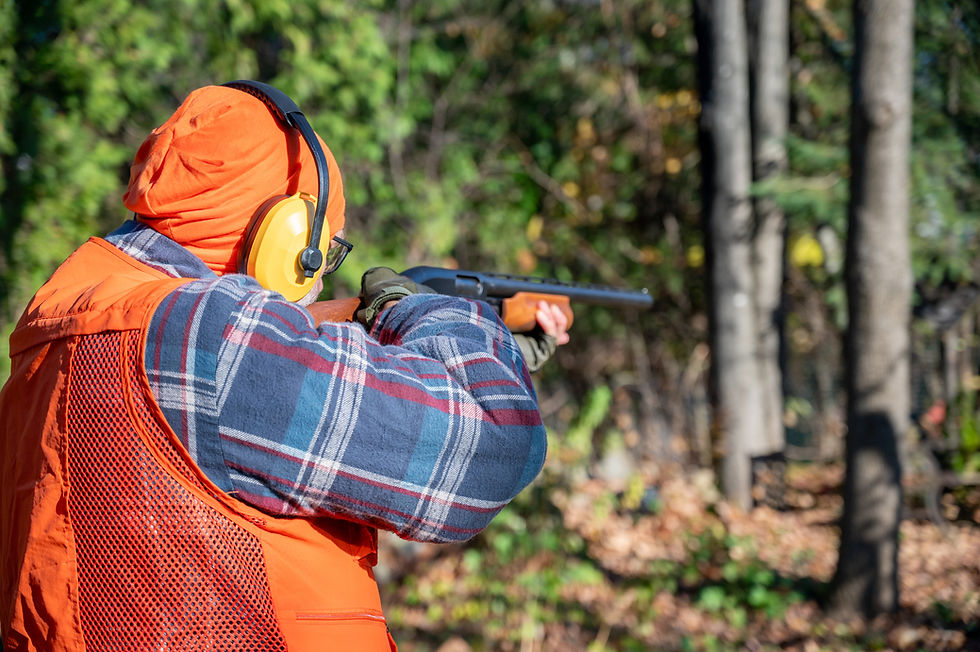
Correct species identification and safety are essential to ethical hunting. Ethical hunters educate themselves on the specific open seasons, bag limits, and restrictions that vary for species like black-tailed deer, black bears, Roosevelt elk, and upland game birds. They respect municipal bylaws, no-shooting areas, and private land access rules, and get explicit permission before hunting on private property.
Poaching is the illegal killing or taking of fish, wildlife or native plants; hunting out of season or killing without a permit for trophy or international trade of wildlife products; keeping live wild animals as pets; or taking hides, skins and other animal parts to be used for clothing, food, folk medicine, jewelry and trophies.
Poachers place natural populations of wildlife at risk and ruin lawful recreational opportunities for law abiding ethical hunters. Poachers often take more than just game animals, killing threatened, endangered and non-game species.
Poachers are most likely to kill for profit. There are eager national and international markets of collectors and consumers who pay large sums for rare trophies and wildlife parts. Some countries have depleted their wildlife species to the point that poachers travel to Canada to find game.
While poaching for commercial gain is a significant problem, the taking of a few “extra” fish or animals is also a serious issue. Individuals may believe their bending or breaking of the rules will have little impact on the overall health of species, but they ignore the total impact of all such acts.
Poaching has caused a dramatic decline in the number of black bears and other animals. Poachers rob legitimate sportsmen of game and fish, which in turn robs businesses and taxpayers of revenues generated by hunting and fishing.
How can the poaching problem be curtailed when there are few Conservation Officers to track down offenders and the vast size of our country makes the search difficult? Education is key. The average citizen does not participate in poaching and can help by reporting offences they witness. And stronger legislation with greater penalties could deter poachers from killing and removing wildlife from our country.
You can help the wildlife in care at NIWRA by making a financial contribution on our secure website. Thank you so much for caring about wildlife!


